
Personal care services are designed to provide individuals with the necessary support to carry out everyday activities that may become challenging due to aging, illness, or disability. By offering support with bathing, grooming, dressing, mobility, fall prevention, and medication reminders, caregivers help individuals maintain dignity and live as independently as possible while ensuring their safety and health are prioritized. These services not only address physical needs but also contribute to emotional and psychological well-being by fostering a sense of comfort and security.
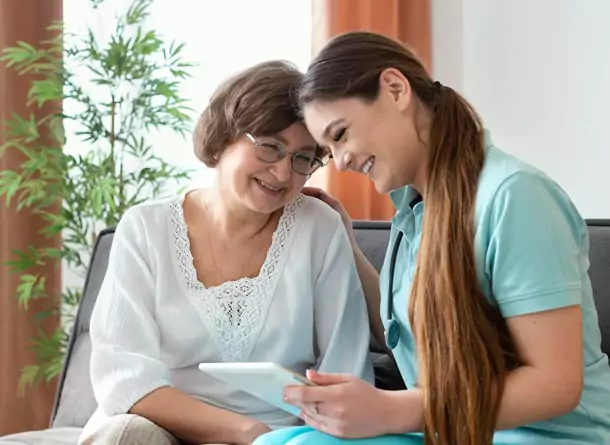
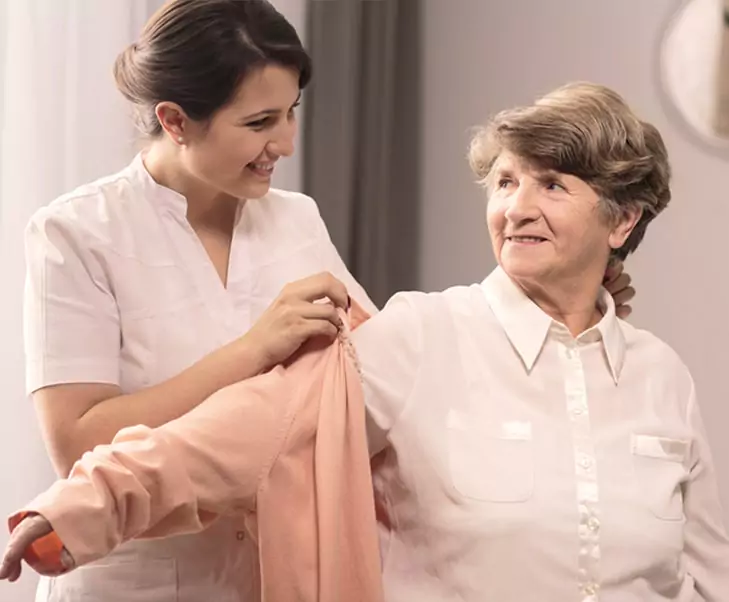
Bathing, grooming, and dressing are fundamental activities of daily living that help individuals maintain personal hygiene and feel good about their appearance. However, for some individuals, these tasks may be physically demanding or uncomfortable. Personal care services offer assistance in various forms, from helping with the physical act of bathing to providing reminders and guidance for self-care. Caregivers may help clients bathe in a safe and comfortable manner, ensuring that they are properly cleaned without the risk of slips or falls. They can also assist with washing hair, brushing teeth, and shaving if necessary.
When it comes to grooming, caregivers ensure that individuals maintain their usual standards of personal cleanliness, which may include hair brushing, nail trimming, or skin care. Grooming plays a vital role in enhancing self-esteem, as it helps individuals feel presentable and confident. Dressing assistance includes support with choosing appropriate clothing based on weather conditions or personal preferences. In some cases, caregivers may help individuals with dressing by physically assisting them with putting on clothes, ensuring proper fit and comfort, or providing adaptive clothing solutions for those with mobility challenges.
Mobility support is a critical component of personal care services, especially for individuals who experience physical limitations due to aging or health conditions such as arthritis, stroke, or Parkinson’s disease. Caregivers provide mobility assistance to help individuals move safely from one place to another, whether it involves transferring from a bed to a wheelchair, walking with a walker, or using other mobility aids. Caregivers ensure that individuals have the necessary tools and assistance to move around their homes or outside, improving their overall quality of life.
Fall prevention is an essential part of mobility support. Older adults or those with physical impairments are at a higher risk of falls, which can lead to serious injuries. Personal care services play a key role in minimizing the risk of falls through careful monitoring and preventive strategies. Caregivers assess the environment to identify and remove potential hazards, such as loose rugs, poor lighting, or clutter, which could increase the risk of slipping. They may also help with exercises that improve balance and coordination, such as light stretching or strengthening routines. By offering support when walking or moving from one position to another, caregivers reduce the likelihood of falls and ensure that individuals can continue to live independently in their own homes.
In addition to offering physical support, caregivers provide emotional and psychological reassurance. Many individuals feel anxious about their mobility challenges and the possibility of falling, but with compassionate care and constant encouragement, caregivers can help boost confidence and reduce fear. Mobility support services are not only about assisting with physical movement but also ensuring that individuals feel safe and empowered in their daily lives.

Medication management is another crucial aspect of personal care services. Many individuals, particularly those with chronic health conditions, need to take medications regularly to manage their symptoms or maintain their health. However, it is not uncommon for individuals to forget to take their medications or take them incorrectly. This can lead to missed doses, overdose, or adverse drug interactions, which can significantly affect health outcomes.
Caregivers provide medication reminders to ensure that individuals take their medications as prescribed. They may set up pillboxes with daily compartments for easy access or use mobile apps to send reminders at the appropriate times. Caregivers can also monitor individuals for side effects or reactions and inform healthcare providers as necessary. While caregivers cannot administer medications unless specifically trained to do so, they play a crucial role in helping individuals maintain proper medication routines by keeping track of schedules and ensuring that the medications are taken correctly.
Additionally, caregivers may assist with managing prescription refills, ensuring that individuals never run out of necessary medications. They may coordinate with pharmacies or healthcare providers to ensure a smooth process, preventing gaps in treatment. This service is particularly important for individuals with complex medication regimens, as managing multiple medications and understanding instructions can be overwhelming without assistance.
Overall, medication reminders are vital in promoting the health and well-being of individuals receiving personal care services. By providing these reminders, caregivers help individuals stay on top of their medical needs, avoid complications, and ultimately support their health goals.
Business License: #45620